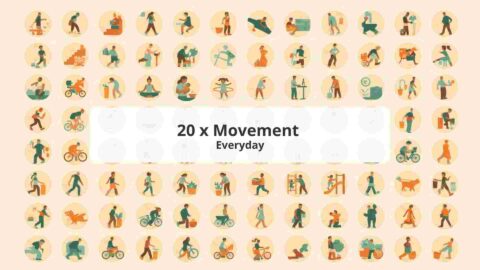

10 minutes of movement after a meal can already help keep your blood sugar more stable.
Note
You do not need to work out after eating. Often, 10 minutes of relaxed walking is enough to reduce blood sugar spikes.
Why 10 Minutes of Movement After a Meal Helps
After a meal, your blood sugar rises. If you move afterwards, your muscles use some of this energy straight away.
This can help glucose move out of your bloodstream more quickly – especially after meals that are high in carbohydrates.
What Kind of Movement Makes Sense?
- Brisk walking[1]
- Climbing stairs
- Light tidying up
- Easy cycling
- Gardening
How Long Should You Move?
A good place to start is 5 to 10 minutes directly after eating. This can be particularly helpful after larger meals or meals with a lot of carbohydrates.
The important thing is not intensity, but consistency.[2]
What Should You Avoid?
- sitting for a long time directly after eating
- going straight to the sofa after every meal
- doing very intense workouts directly after large meals
Note
The best movement is the movement you actually do. A short walk after a meal is often better than a perfect training plan that you never follow.
A Simple Everyday Trick
Connect movement with an established habit:
- take a short walk after dinner
- walk around while talking on the phone
- spend 10 minutes outside after lunch
- take the stairs instead of the elevator
This way, movement does not become an additional project, but part of your day. By doing this, you can gradually build at least 5 healthy habits for diabetes.
Authentic Real-Life Experience
Honestly?
Using 10 minutes of movement to keep your blood sugar more stable does not mean eating perfectly. It means giving your body better conditions.
And sometimes that starts with 10 minutes of movement after a meal.
My experience of the relationship between 10 minutes of movement and stable blood sugar is:
- Analytically:
Blood sugar actually decreases, and this can be measured with two simple capillary glucose measurements, meaning quick blood sugar tests using a fingertip sample. - Subjectively:
When my blood sugar is too high, I first notice tingling or numbness in my feet and legs. This sensation gradually decreases after around 10 minutes of movement. After about 10 minutes, the symptoms begin to subside, I feel more alert, and my energy starts to return.
Read Next
Make everyday life easier.
Listen to your body – confirm what you feel analytically with a blood sugar measurement – and over time, you may need to measure less often.
Sources
- ADA: Physical Activity/Exercise and Diabetes
- Melissa Foster: Physical Activity and Type 2 Diabetes: When and How Much?