
Note
You do not need to eat perfectly – you need to observe and understand how your body reacts to food.
What Does Diabetes Nutrition Mean?
With type 2 diabetes, your body gradually loses the ability to produce enough insulin in the pancreas. This means that less of your own insulin is available to regulate the sugar in your blood. Too much fat in the blood can make this effect worse. As a result, more sugar remains in the bloodstream, causing blood sugar levels to rise. The goal of your diet is therefore simple:- avoid blood sugar spikes
- keep blood sugar stable
- reduce fat
- improve insulin resistance
Which Foods Are Good Choices?
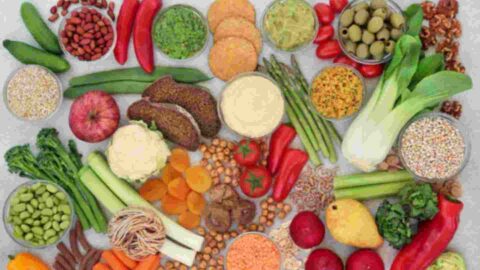
The foundation of a good diet for diabetes is to choose foods that are as unprocessed as possible and have a more stable effect on your blood sugar.- vegetables, especially green vegetables and foods rich in fiber
- protein sources such as fish, eggs, and legumes
- healthy fats such as nuts, avocado, and plant-based fats
- complex carbohydrates instead of simple sugars
Good vs. Bad Carbohydrates
Not all carbohydrates affect your body in the same way.Nutrition for Diabetes: The Simple Plate Rule
Goal: fewer blood sugar spikes – more stability in everyday life.
- Good: vegetables, legumes, and whole grains
- Bad: sugar, white flour, and highly processed foods
Breakfast for Diabetes
Many people start the day the wrong way – with too much sugar. 👉 Breakfast for DiabetesSnacks for Diabetes
Snacks are often hidden blood sugar traps. Do we really need snacks? 👉 Snacks for Diabetes – 3 Good SnacksKeep Your Blood Sugar Stable – The Key
The most important factor is not individual meals, but stability throughout the day. Nutrition and movement are central factors in blood sugar control. [1] Keeping your blood sugar stable also means keeping it consistently low. Movement can help because your body uses glucose from the blood during activity, which can lower blood sugar levels.- combine protein and fat
- increase your fiber intake
- move after eating
Note
The combination of nutrition and movement is stronger than any single measure on its own.
Frequently Asked Questions About Nutrition for Diabetes
Can I Eat Sugar and Carbohydrates If I Have Diabetes?
Yes – but mindfully and as little as possible. What matters is the overall effect on your blood sugar.How Many Carbohydrates Make Sense?
That depends strongly on your body. The quality and combination of foods are especially important.How Often Should I Eat?
Regular meals can help avoid large blood sugar fluctuations. Three well-balanced meals a day are usually sufficient.Authentic Real-Life Experience
Honestly?
Nutrition for diabetes is not about eating perfectly or banning everything. The truth is that what matters is how your combination of nutrition and movement works in practice – how your meals affect your blood sugar in everyday life, whether you move after eating, and whether you turn these actions into lasting habits.
Nutrition has a greater effect than movement. You should especially reduce sugar and fat. Both quality and quantity matter. In other words: higher quality – smaller amounts.
Statistics
Lifestyle changes can reduce the risk of type 2 diabetes by up to 58%. [2]
Sources
- Deutsches Zentrum für Diabetesforschung DZD: Neuer Wirkmechanismus für die Verbesserung der Insulinwirkung nach Sport entdeckt
- The New England Journal of Medicine: Reduction in the Incidence of Type 2 Diabetes with Lifestyle Intervention or Metformin
Make Everyday Life Easier.
Get smart SFF insights on nutrition, movement, mindset, and longevity.
Note
SugarFatFree does not mean “zero sugar” or “zero fat”. It is about more mindful consumption, better habits, and healthier long-term choices. This content is not a substitute for medical advice.